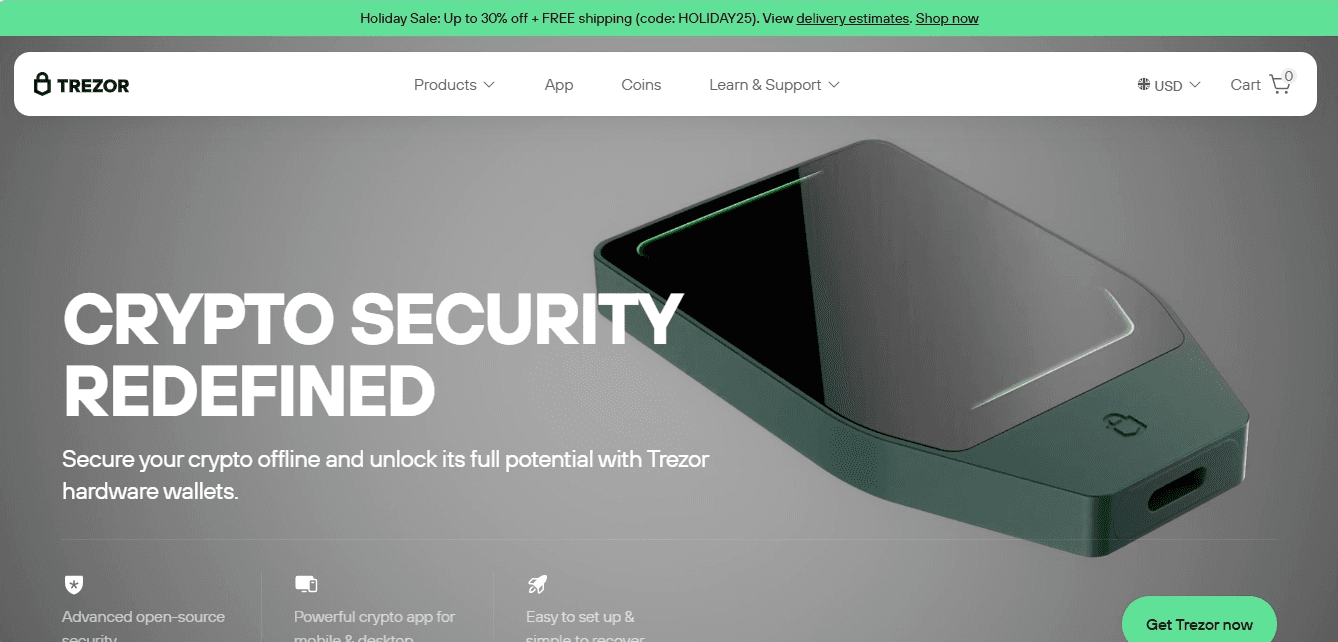
Trezor Start: Your Complete Guide to Securely Setting Up and Using Trezor Wallet
Welcome to Trezor Start, the official guide to securely setting up your Trezor hardware wallet and accessing the Trezor ecosystem. Trezor Start is your gateway to safely storing, managing, and interacting with cryptocurrencies, NFTs, and decentralized applications (dApps). By following this guide, you’ll learn how to initialize your device, set up Trezor Suite, manage assets, and implement best security practices to keep your digital wealth safe.
Whether you’re new to cryptocurrency or a seasoned user, this guide provides a step-by-step approach to make your Trezor experience safe, convenient, and effective.
What Is Trezor Start?
Trezor Start refers to the onboarding process for Trezor users. It encompasses initializing your hardware wallet, setting up the Trezor Suite application, creating or restoring a wallet, and connecting securely to Web3 platforms.
Through Trezor Start, you can:
Create a new wallet or restore an existing one
Safely store private keys offline
Track cryptocurrency balances and transactions
Interact with DeFi platforms, NFT marketplaces, and other Web3 applications
The Trezor Start process ensures both usability and robust security, keeping your crypto assets safe from online threats.
Why Trezor Start Is Important
Trezor Start is essential because it:
Secures access to your wallet and funds
Protects private keys by keeping them offline
Provides a verified setup to prevent scams
Ensures that only you control your cryptocurrency
Following Trezor Start properly guarantees a solid foundation for managing your crypto securely.
Before You Begin
To get started with Trezor Start, make sure you have the following:
A Trezor hardware wallet (Trezor One or Trezor Model T)
A computer or mobile device with internet access
Trezor Suite downloaded from the official website: https://trezor.io/start
A secure location to store your recovery seed offline
⚠️ Security Reminder: Trezor will never ask for your recovery seed online. Any request outside your device or official software is a scam.
Step 1: Download and Install Trezor Suite
Trezor Suite is the official software for managing your wallet and accessing Trezor Start features.
Installation Steps:
Visit https://trezor.io/start
Download Trezor Suite for your platform (Windows, macOS, Linux) or mobile device (iOS, Android)
Install the application following the on-screen instructions
Launch Trezor Suite to begin setup
✅ Always use the official website to avoid phishing or malware attacks.
Step 2: Connect Your Trezor Device
Plug your Trezor hardware wallet into your computer via USB (Trezor Model T uses USB-C; Trezor One uses USB-A)
Open Trezor Suite
The software will detect your device and prompt you to start setup
Trezor Start ensures your private keys remain offline while establishing a secure connection with the suite.
Step 3: Initialize Your Trezor Wallet
If your device is new, you must initialize it:
Create a new wallet: Generates a new recovery seed
Restore wallet: Recovers an existing wallet using a recovery seed
During initialization, you will:
Set a secure PIN code
Record your recovery seed
Confirm your recovery seed
This ensures that your wallet is fully protected and recoverable.
Step 4: Set a Strong PIN
The PIN code protects your wallet from unauthorized access:
Choose a PIN that is difficult to guess
Avoid reusing PINs from other devices
Never share your PIN
The Trezor device automatically wipes after multiple failed attempts
A strong PIN is critical for secure Trezor Start access.
Step 5: Secure Your Recovery Seed
Your recovery seed is the master key to your wallet.
Best Practices:
Write it down offline and store it securely
Use a fireproof or waterproof backup if possible
Never photograph or store it digitally
⚠️ Anyone with access to your recovery seed can control your funds. Keep it offline and private.
Step 6: Verify Your Recovery Seed
Trezor will ask you to verify the recovery seed:
Follow on-screen instructions to confirm each word in the correct order
Double-check accuracy to ensure recovery is possible
Consider multiple secure backup locations
Verification guarantees that you can restore your wallet if the device is lost or damaged.
Step 7: Logging In via Trezor Suite
Once your device is initialized and the PIN is set:
Open Trezor Suite
Enter your PIN on the Trezor device
Access your accounts securely
Trezor Start confirms your identity without exposing private keys, keeping your assets safe.
Step 8: Managing Cryptocurrency Accounts
Trezor supports thousands of cryptocurrencies and tokens, including:
Bitcoin (BTC)
Ethereum (ETH)
Binance Coin (BNB)
Stablecoins and ERC-20 tokens
Adding Accounts:
Navigate to Accounts in Trezor Suite
Click Add Account
Select the cryptocurrency and follow the prompts
You can now manage each asset individually, sending, receiving, and tracking balances securely.
Step 9: Sending and Receiving Cryptocurrency
Receiving Funds:
Select the account
Click Receive
Verify the wallet address on your Trezor device
Share the verified address
Sending Funds:
Select the account
Click Send
Enter the recipient address and amount
Confirm the transaction on your Trezor device
Always verify addresses on the hardware wallet to prevent phishing and fraud.
Step 10: Interacting with Web3 Applications
Trezor Start enables safe interactions with decentralized applications:
Access DeFi platforms for lending, borrowing, and staking
Manage NFTs on trusted marketplaces
Trade on decentralized exchanges (DEXs)
Transactions are signed directly on the Trezor device, keeping private keys offline.
Step 11: Staking Cryptocurrencies
Trezor Suite supports staking for certain assets:
Select a staking-enabled cryptocurrency
Click Stake and follow on-screen prompts
Track staking rewards in real-time
Staking allows you to earn passive income while retaining full control of your funds.
Step 12: Backup and Recovery
Always maintain an offline backup of your recovery seed:
Store it in a secure, private location
Consider multiple backups in different secure locations
Never store backups digitally
If your device is lost, stolen, or damaged, your recovery seed allows you to restore your wallet on a new device.
Step 13: Advanced Security Practices
Always confirm transactions on the Trezor device
Use a strong PIN and optional passphrase for extra protection
Keep Trezor Suite and device firmware updated
Avoid public Wi-Fi when managing crypto
Verify official URLs and applications
These practices reduce the risk of hacking or theft over time.
Step 14: Restoring Access
If your Trezor device is lost or replaced:
Install Trezor Suite on a new device
Connect the replacement Trezor wallet
Choose Restore Wallet and enter your recovery seed
Set a new PIN
All previously configured accounts and assets will be restored securely.
Understanding Self-Custody
Trezor Start provides self-custody:
You control your private keys
Funds are not held by a third-party service
You are responsible for security and backups
Self-custody ensures maximum control but requires careful management of recovery information.
Common Mistakes to Avoid
Sharing your recovery seed or PIN
Using unofficial software or websites
Ignoring firmware updates
Falling for phishing attacks
Storing recovery seeds digitally
Avoiding these mistakes keeps your assets safe.
Trezor Suite Features with Trezor Start
Portfolio Tracking: Monitor balances and asset performance
Token Swap: Exchange supported cryptocurrencies securely
NFT Management: View, store, and manage NFTs
DeFi Access: Connect safely to staking, lending, and borrowing platforms
Firmware Updates: Keep devices secure and up-to-date
These features make Trezor Suite a complete platform for managing your digital assets.
Support and Resources
Trezor provides extensive resources for users:
Knowledge Base: Step-by-step guides and FAQs
Community Forums: Connect with other users
Official Support: Assistance for technical issues
Always use official Trezor channels for guidance to avoid scams and misinformation.
Why Users Trust Trezor Start
Millions rely on Trezor because it offers:
Hardware-backed security for private keys
Offline signing of transactions
Support for a wide variety of cryptocurrencies
Transparent and reliable customer support
Trezor Start ensures that your assets are protected while remaining fully under your control.
Best Practices for Long-Term Use
Regularly back up your recovery seed
Enable a strong PIN and optional passphrase
Keep Trezor Suite and firmware updated
Monitor account activity regularly
Always use official Trezor applications and websites
Consistently following these practices ensures long-term safety for your assets.
Final Thoughts
Trezor Start is the first step toward securely managing your cryptocurrency portfolio. By initializing your device, protecting your recovery seed, and following best practices, you can confidently manage your crypto assets, interact with DeFi platforms, and explore Web3 applications.
Remember: Security begins with you. Trezor Start, in combination with Trezor hardware wallets, provides the tools and framework to safely store, send, receive, and stake cryptocurrencies while keeping private keys offline.
With Trezor Start, you are fully equipped to navigate the world of cryptocurrency with confidence, control, and peace of mind.